Colorado Fire Ban Exemptions You Didn't Know Existed – A Practical Guide
When a statewide fire ban goes into effect, most Coloradans assume every open flame is prohibited. In reality, the ban contains a series of narrowly defined exemptions that allow certain activities to continue legally, provided they meet strict conditions. Knowing these loopholes can save farmers, contractors, and outdoor enthusiasts from costly violations while keeping public safety intact.
What Triggers a Colorado Fire Ban?
Colorado’s fire bans are typically issued by the state’s Division of Fire Prevention and Prevention Services (DFPPS) when drought indices, fuel moisture, and forecasted wind speeds exceed predefined thresholds. The bans prohibit open burning, campfires, and any activity that could ignite an uncontrolled fire. However, the language of the order includes specific carve‑outs for activities deemed essential or low‑risk.
Which Activities Slip Through the Crack? – Exemptions Explained
Agricultural and Ranching Burns
Landowners may continue to dispose of brush, clear pasture waste, or manage invasive species if they obtain a written permit from the local fire district. The permit usually requires:
- Documentation of burn location and size.
- Evidence of sufficient moisture in the fuel and surrounding vegetation.
- Availability of fire‑suppression equipment on site.
These exemptions support seasonal livestock management and prevent the buildup of hazardous fuel loads.
Prescribed Forest Management
State and private forestry agencies conduct controlled burns to reduce wildfire risk. Such burns are pre‑planned, staffed by certified crews, and monitored with real‑time weather data. The exemption is limited to designated “prescribed burn units” that are mapped and approved ahead of time.
Emergency Response and Utility Work
Firefighters, police, and utility crews may use flame‑based tools (e.g., oxy‑acetylene torches) when addressing emergencies, repairing power lines, or clearing vegetation that threatens critical infrastructure. The exemption obliges the crew to:
- Notify the local fire marshal before beginning work.
- Maintain a fire watch for a minimum of 30 minutes after completion.
- Document the activity in a post‑burn report.
Military and Law‑Enforcement Training
The Colorado National Guard and law‑enforcement agencies receive a blanket exemption for live‑fire training exercises, provided they occur within designated training areas and are coordinated with the state fire office. This ensures that essential training does not inadvertently trigger a statewide ban.
Where Do These Exemptions Matter Most? – Geographic Hot Spots
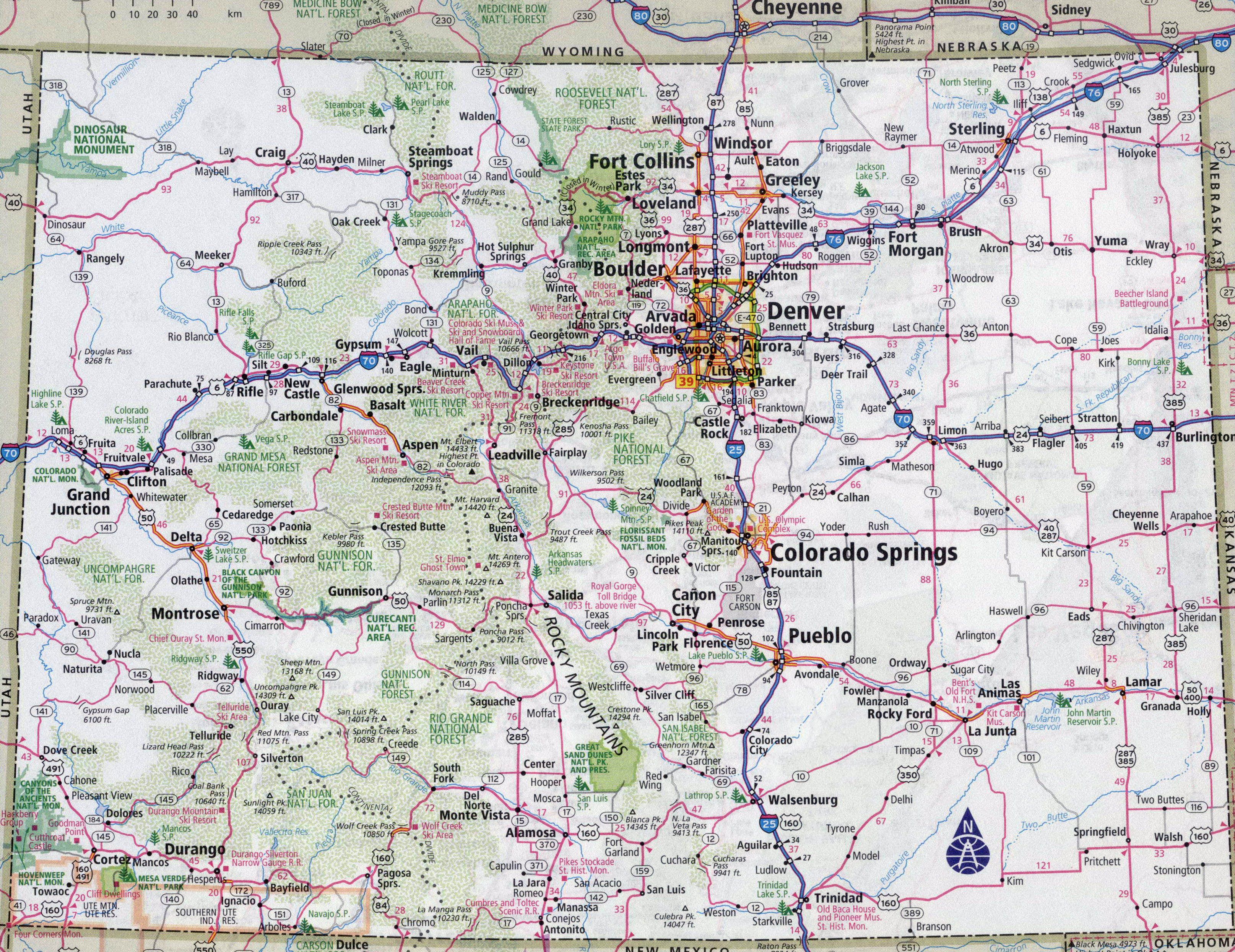
Exemptions often align with regions where economic activity depends on controlled burning or where critical infrastructure is dense. The map below highlights the road network and major municipalities, helping readers pinpoint locations where exemptions are most frequently granted.
How Can Residents and Businesses Stay Compliant?
Understanding the fine line between permissible and prohibited activities is only half the battle. The following checklist helps you navigate the exemption process without risking a citation:
- Check the current fire ban status on the DFPPS website before planning any open‑flame work.
- Secure the appropriate permit—agricultural, prescribed‑burn, or utility—well in advance.
- Coordinate with the local fire district to confirm that your planned activity falls within an approved exemption zone.
- Maintain on‑site fire‑suppression tools, such as water pumps, fire extinguishers, and a standby crew.
- Document everything—permit numbers, weather conditions, and post‑burn reports—to demonstrate compliance if questioned.
By following these steps, you reduce the likelihood of fines, protect your property, and contribute to Colorado’s broader wildfire mitigation strategy.
Fire bans are a critical tool for safeguarding Colorado’s forests and communities, yet they are not an absolute blanket prohibition. Recognizing the legitimate exemptions—whether you’re a rancher, a forester, or a utility worker—allows you to continue essential operations responsibly while respecting the state’s fire‑risk policies.
Colorado Mountains Wallpapers - Top Free Colorado Mountains Backgrounds
Colorado Mountains Wallpapers - Top Free Colorado Mountains Backgrounds ...
🔥 [40+] Colorado Mountains Desktop Wallpapers | WallpaperSafari
![🔥 [40+] Colorado Mountains Desktop Wallpapers | WallpaperSafari](https://cdn.wallpapersafari.com/78/99/tHkcnv.jpg)
🔥 [40+] Colorado Mountains Desktop Wallpapers | WallpaperSafari
8 Things To Love About Colorado's Rocky Mountain National Park | HuffPost
8 Things To Love About Colorado's Rocky Mountain National Park | HuffPost